
Why Does Alcoholic Fermentation Affect Wine Quality?
Alcoholic fermentation in the wine industry
Alcoholic fermentation (AF) in wine is a process carried out by yeasts to obtain energy under anaerobic conditions (absence of oxygen). These organisms can convert sugars into ethanol. As we explained in a previous blog post: “the simplified reaction has glucose from grape must as the reactant—leaving aside energetic aspects—and ethanol and carbon dioxide as products.”
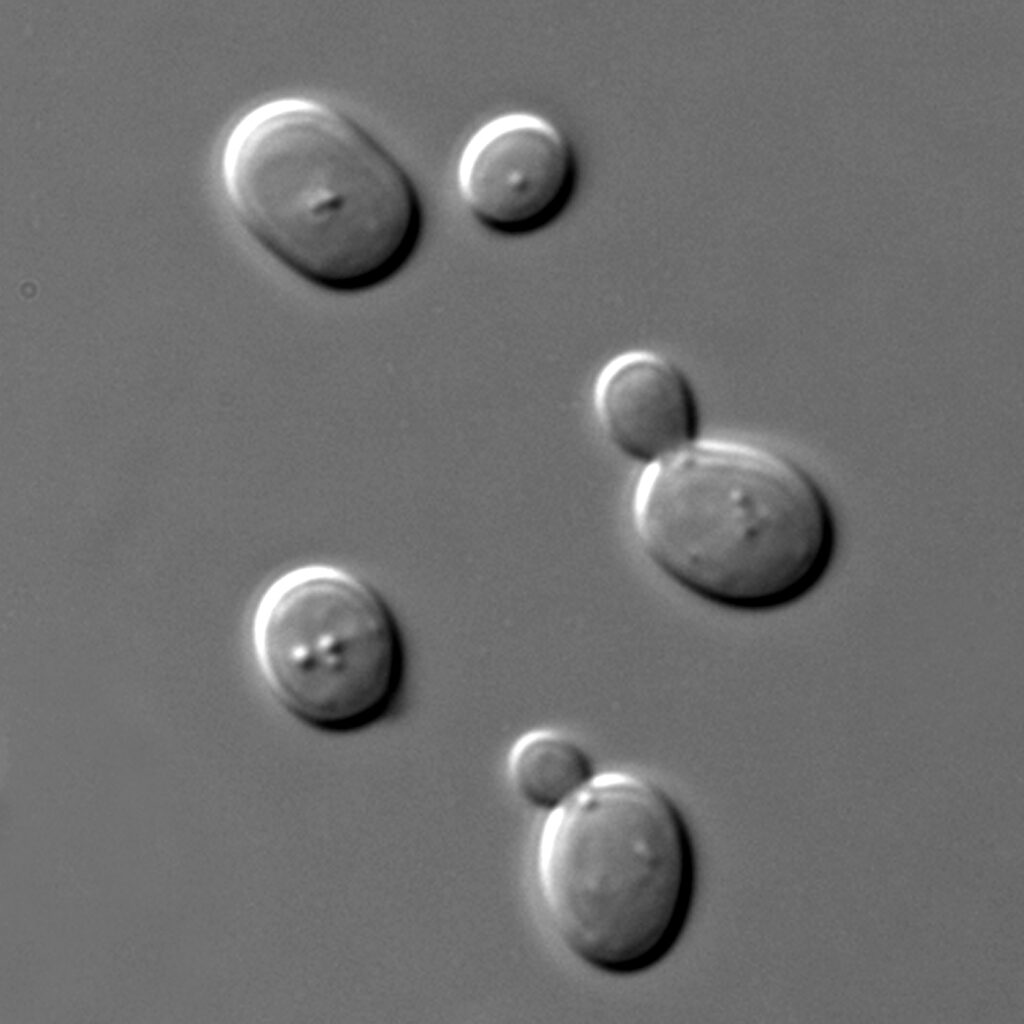
This reaction can be written as:
C6H12O6 → 2 CH3-CH2OH + 2 CO2
In this way, the cell can generate energy in the form of ATP without consuming oxygen. The reaction is catalyzed by the enzyme alcohol dehydrogenase, present in wine yeasts and certain bacteria.
The “tumultuous” phase of fermentation
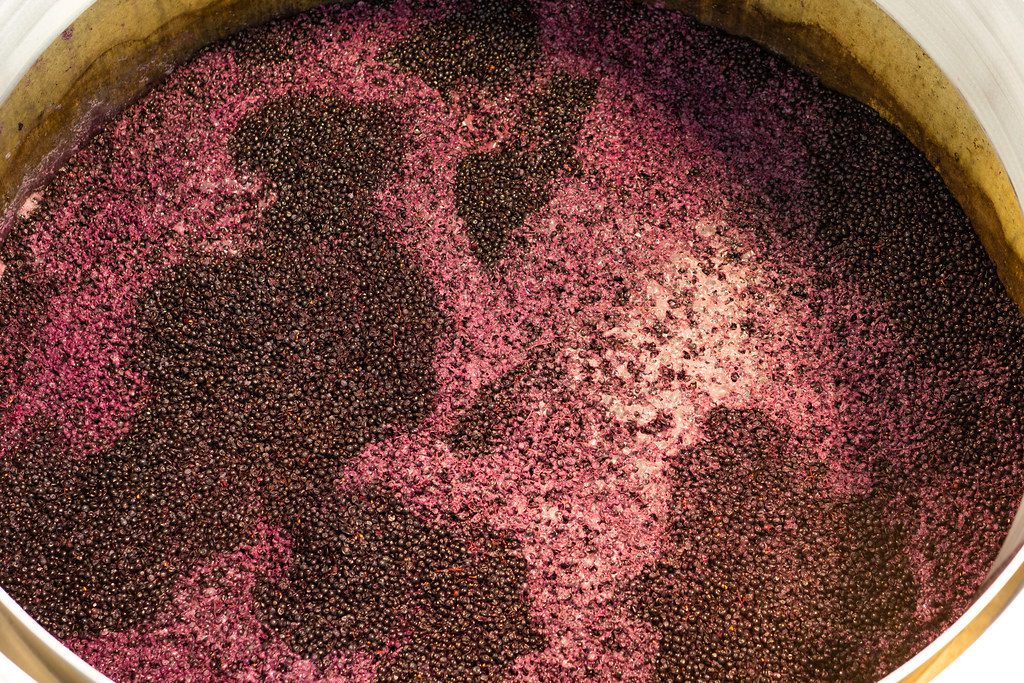
The CO₂ produced indicates high metabolic activity during the tumultuous phase of fermentation. This CO₂ is the same gas found dissolved in wines such as semi-sparkling wines (which retain CO₂ from the first AF) and in sparkling wines, which undergo a second AF (such as Cava, Champagne, and Prosecco). In red wine fermentation, CO₂ release lifts the solids and skins, forming what is commonly known as the cap.
Why is controlling alcoholic fermentation so important?
The process
During alcoholic fermentation, many processes occur beyond the conversion of glucose into ethanol by yeasts. This is due to the metabolism of fermenting yeasts and other microorganisms present in the must.
Different yeast strains produce different wine profiles based on how they metabolize the compounds present in must. In addition, the coexistence of multiple microorganisms within the same must can result in wines with high organoleptic complexity.
Controlling the type of yeast used is therefore a key guarantee for controlling the profiles obtained in the resulting wine.
Requirements
As is well known, an alcoholic beverage—wine in this case—must meet certain requirements related to the raw material used for AF (must or grapes), a minimum acquired alcohol level, and even a maximum residual sugar content (unfermented sugars).
In addition, an AF that does not finish properly generates extra costs for wineries, as they must restart a stuck fermentation that occupies tank space, requires additional work, and above all, the wine may deteriorate quickly due to different factors.
Controls during the process
AF development is affected by factors such as pH, fermentation temperature, free SO₂, yeast assimilable nitrogen, and the presence of toxins or fungicide residues in the must. During AF, daily monitoring of temperature and density is performed to track fermentation kinetics and intervene as early as possible if needed. The appearance of bacteria such as Acetobacter (which produce acetic acid) or yeasts that produce acetaldehyde clearly shows how delicate microbiological control of AF can be.
The end of alcoholic fermentation
AF is considered complete when the wine reaches an approximate density of 990–993 g/L for whites and 992–995 g/L for reds. This indicates that yeasts have consumed as much fermentable sugar as possible.
How can we achieve greater control of alcoholic fermentation in the winery?
Services
At LEV2050, we offer a wide range of services and products associated with alcoholic fermentation, including native yeast selection studies. Our services aim to express the full potential of grapes and terroir, working in the most autochthonous and distinctive way possible.
Oenological products:
Based on our yeast expertise, we have developed fermentation products to ensure optimal AF performance, including nutrients and detoxifiers, also available in
Bioreactors:
LEV2050 has successfully integrated into its offering a range of patented bioreactors—BR-LEV-LC® and BR-CV®—capable of
LEV2050 quality commitment
At LEV2050, we have always prioritized quality across all our operations. Our goal is to
About LEV2050
At LEV2050, we have been researching and developing customer-specific products for more than twelve years. Our
If you’d like to learn more about our products and services, feel free to contact us at info@lev2050.com. We hope you enjoyed this article!