
Bioreactors That Perform Lees Stirring (Bâtonnage)
During the winemaking or beer-making process, yeast converts sugar into alcohol. When this process is complete, the yeast cells die and settle to the bottom of the fermentation tank, forming a fine sediment. This sediment is known as lees, as we explained in this post. By keeping these solids in contact with the wine, we extract flavor, aroma, and structure.
What are lees made of?
In a previous post we explained what lees are and how they are handled. Here, we’ll focus on the components that make up lees and why they are highly beneficial in winemaking.
Each yeast strain has its own distinct quantitative and qualitative composition—whether in terms of polysaccharides, amino acids, proteins, or other cellular compounds. These compounds help increase palate volume and structure, and they also enrich the bouquet, adding greater aromatic complexity.
What are lees used for?
Each of the components mentioned above plays a specific role: they contribute complexity to the wine, improve mouthfeel, and add organoleptic richness. Lees also support wine aging processes. That’s why maintaining lees contact is valuable—it allows wine to be enriched naturally.
Where is bâtonnage performed?
This process can be carried out within our patented BR-LEV-LC bioreactor models, which multiply yeasts and lactic acid bacteria and perform lees stirring (bâtonnage), and the BR-CV bioreactors for multiplying yeasts and lactic acid bacteria, lees stirring, and for controlled adaptation of yeast to ethanol for sparkling wine bottling. Our new flocculant yeast, FLO-1, can be multiplied in our bioreactors for bâtonnage to obtain mannoprotein for wine treatment with very high yields.
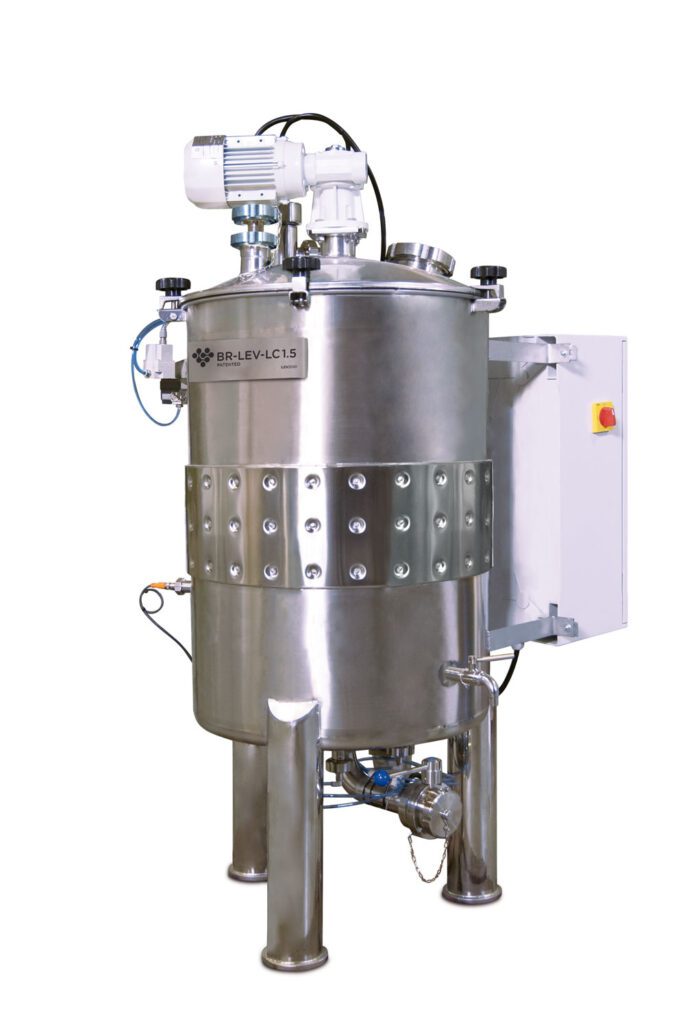
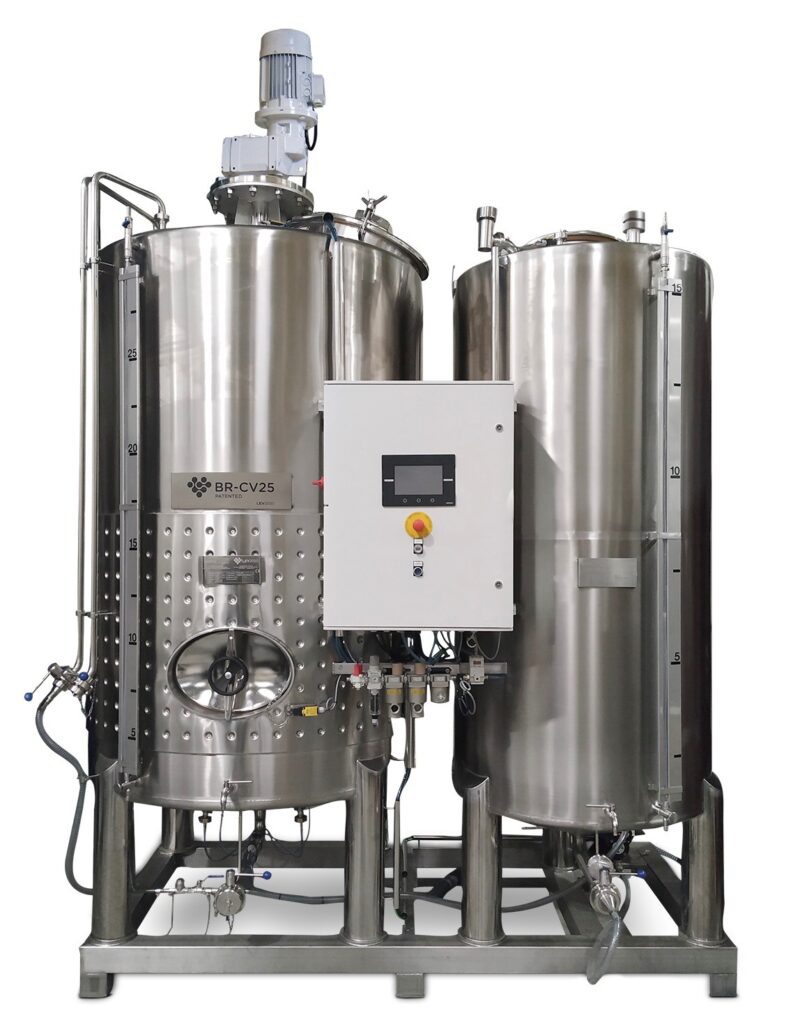
These bioreactors include a bâtonnage program that enables manual control of oxygenation flows (On/Off), allowing the user to obtain high-yield yeast lysates without reductive faults or oxidation—supporting optimal wine finishing.
Recommended products
At LEV2050 we recommend LIA-LEV® as a lysis medium for lees batoning in the bioreactor and lysate production, as well as the flocculant yeast FLO-1 for in-situ mannoprotein production with high yields.