
Bioreactors and lactic acid bacteria
The process of propagating lactic acid bacteria (as explained in this other post) is carried out in bioreactors—but first, they must be studied in order to fully leverage what your terroir can deliver.
Study of lactic acid bacteria
Prestigious wineries with a clear focus on quality show strong interest in getting closer to their terroir and continuously improving the quality and originality of their wines. This drives them to deepen their understanding of the vineyard and the unique “signature” expressed by each microorganism present in that environment.
LEV2050 supports the selection of each winery’s own yeasts and lactic acid bacteria, as well as the design of customized nutrition for each cellar—based on the nutritional and organoleptic qualities of autochthonous yeast lysates.
The objective of this study is the isolation, identification, selection, and characterization of native lactic acid bacteria strains present in wines from very specific plots, selecting those with the best properties to be used as starter cultures for malolactic fermentation.
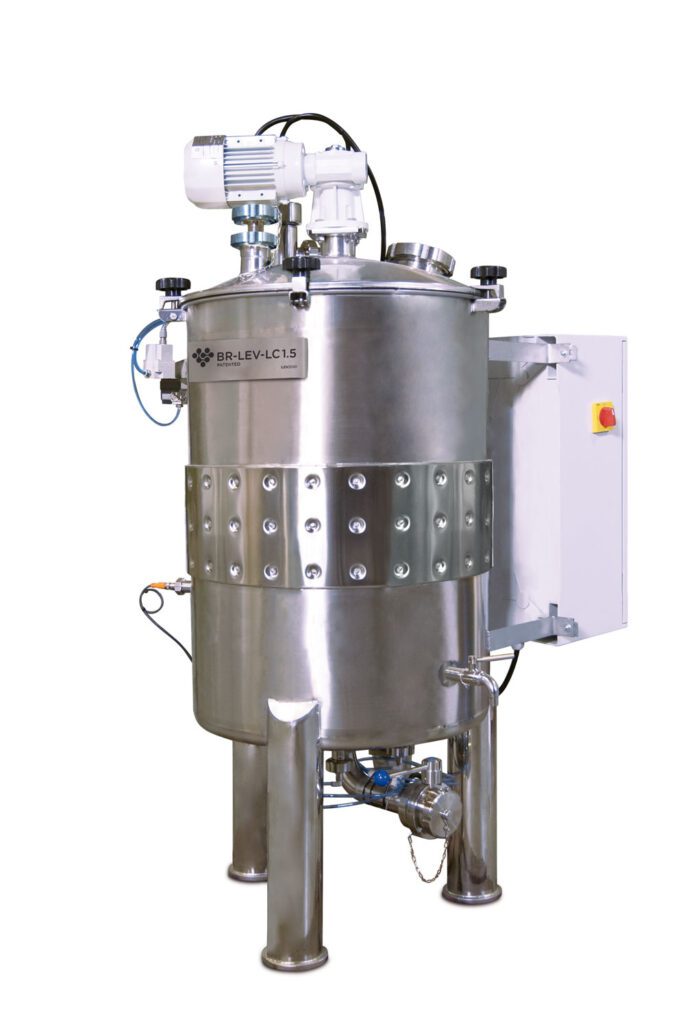
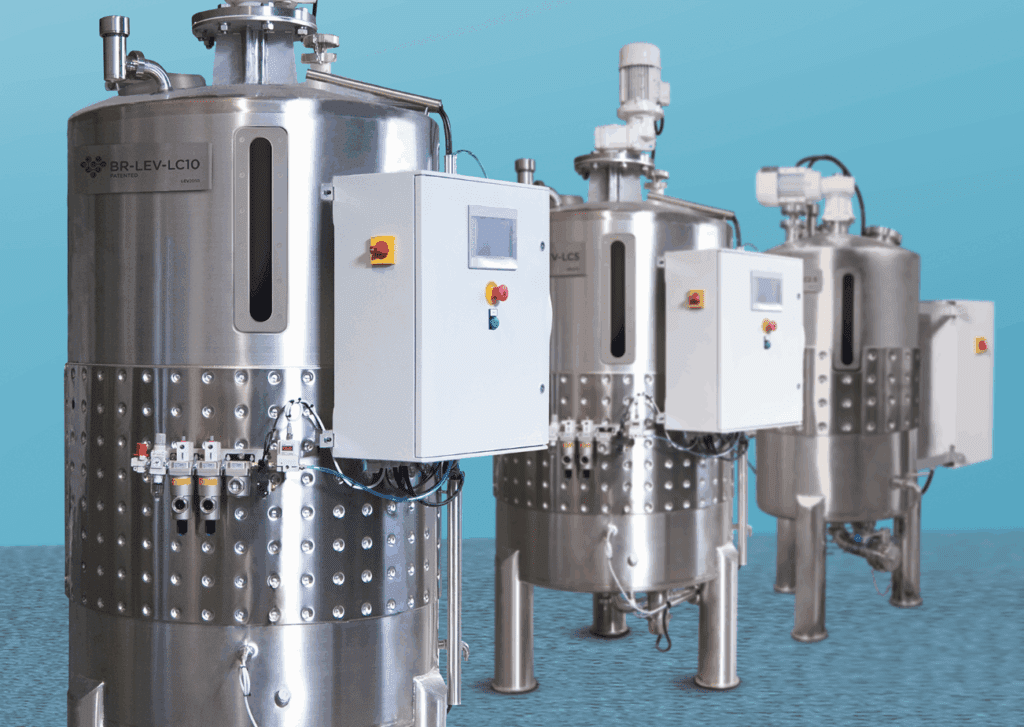
BR-LEV-LC Reactors
With our patented, automated BR-LEV-LC reactor models, you can propagate lactic acid bacteria and achieve the following improvements:
- Improved wine quality by inoculating new generations of fully healthy cells, enhancing aroma and structure.
- Fully automated equipment for better and easier process traceability.
- Greater control and fermentation security thanks to inoculum production that maximizes viability and vitality.
- Significant savings on bacterial inputs due to a propagation method delivering very high yields.
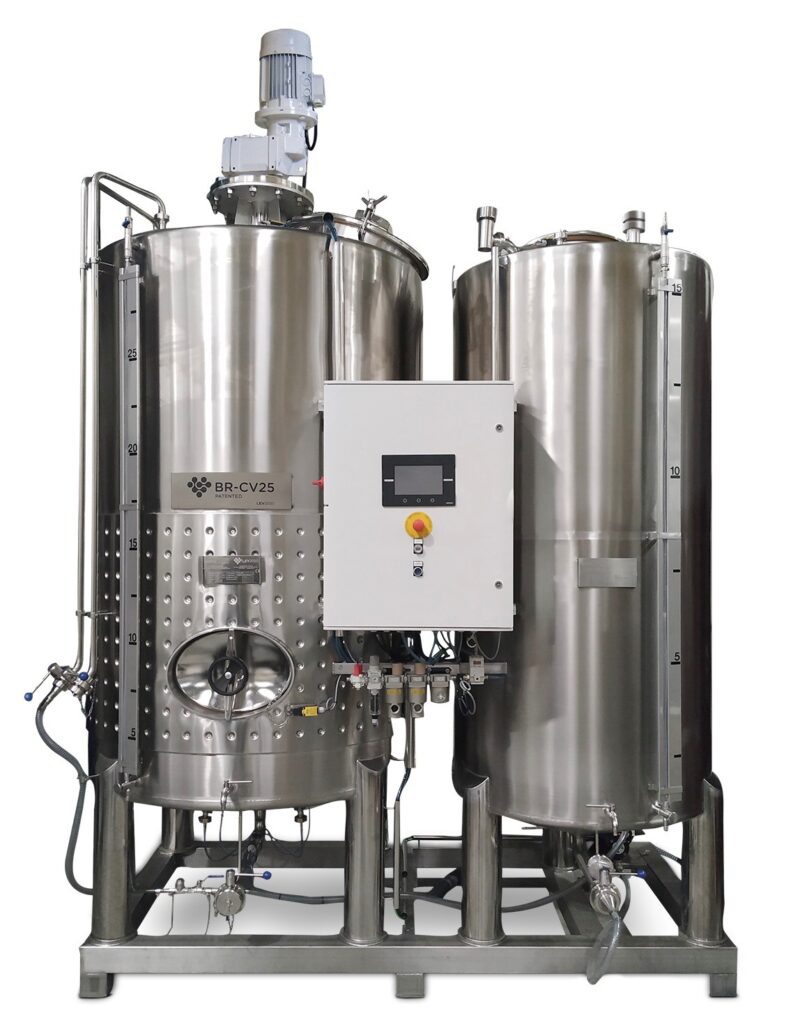
BR-CV Reactors
Our patented BR-CV reactor models also allow the propagation of lactic acid bacteria. Their primary function, however, is yeast propagation and the controlled, progressive adaptation to ethanol for the second fermentation—making them ideal for sparkling wines. Additional benefits include:
- Enhanced organoleptic profile by working with healthy yeasts.
- Greater automation, traceability, and reproducibility, since yeast multiplication and ethanol adaptation are continuous and controlled.
- Increased cell concentration to more than 200 million cells/mL.
- Increased cell viability, even with maintenance periods of up to five days after pied de cuve generation.
- Fermentation security.
Recommended products
LEV2050 recommends the following products, developed in-house, to support this process inside the bioreactor:
LACTILEV®: a culture medium that enables the growth of lactic acid bacteria.
GO-ML®: a lactic acid bacteria activator for wine adaptation. A novel product within LEV2050’s lysate catalog, designed to improve malolactic fermentation kinetics by ensuring bacterial acclimation to ethanol.
GO-ML lysate is composed of a combination of lysates from a very specific Non-Saccharomyces genus that promotes malolactic bacteria acclimation. These yeast lysates feature a distinctive profile of essential amino acids, inherent to the strains’ constitutive nature, that remains assimilable in these highly challenging stages—along with a high carotenoid content that supports the elimination of ROS radicals.