
Bioreactors That Perform Lees Stirring (Bâtonnage)
During fermentation—as we explained in another post—yeast converts sugar into alcohol. Once fermentation is finished, yeast cells die and settle at the bottom of the tank, forming a fine deposit. This sediment of dead yeast cells is called lees. Keeping these solids in contact with the wine helps extract flavor, aroma, and structure.
What is bâtonnage?
A French term referring to the practice of stirring the lees settled at the bottom of the vessel—traditionally with a bâton (rod)—to resuspend them in the wine and benefit from all their properties.
Lees need to be lifted periodically and kept in suspension. When wine is maintained in contact with lees for 3 to 12 months, it gains greater oxidative stability and develops wines that are rounder, more harmonious, better structured, and more aromatically complex.
What does bâtonnage achieve?
- Greater mouthfeel creaminess and palate volume: As sugar chains are released and bind to various wine proteins, mannoproteins are formed. This increases volume and adds a richer, creamier texture.
- Improved oxidation stability: Helps prevent color loss and protects aromatic integrity.
- Supports barrel aging with a slower, more progressive evolution: Protects the wine from unwanted oxidation and premature “over-oaking.”
- Reduces future precipitation and haze: By interacting with wine proteins, lees contact improves stability against potential precipitates.
How is the process carried out?
With our patented BR-LEV-LC reactor models, which multiply yeasts, lactic bacteria and batonnage lees, and the BR-CV for multiplication of yeasts, lactic bacteria, batonnage of lees and for controlled adaptation of yeast to ethanol (for carrying out a second fermentation).
All models are available in different working volumes to fit your winery’s needs.
Recommended yeast
Our FLO-1 product is a flocculant liquid yeast designed for propagation and subsequent bâtonnage in LEV2050 bioreactors. This enables production of a lysate with balanced protein and polysaccharide contributions—supporting wine finishing through increased volume and reduced astringency.
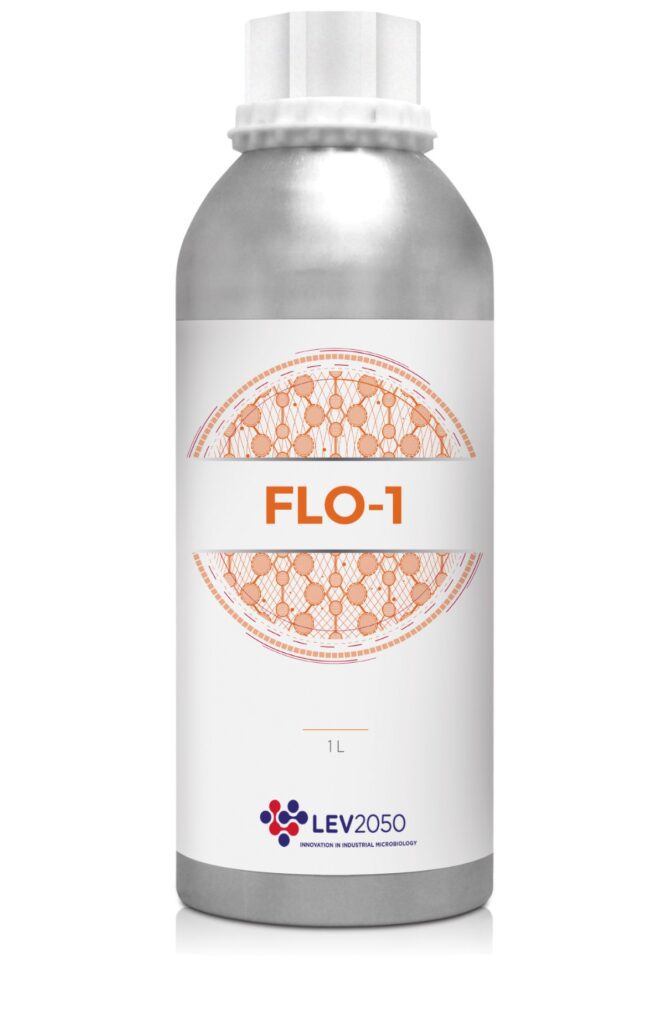
FLO-1 is attractive not only for its qualitative finishing impact, but also for its strong economic value. Wineries can produce their own lysates with significant mannoprotein contributions at a highly cost-effective price—while ensuring traceability and process security thanks to fully controlled propagation and bâtonnage using reactors.